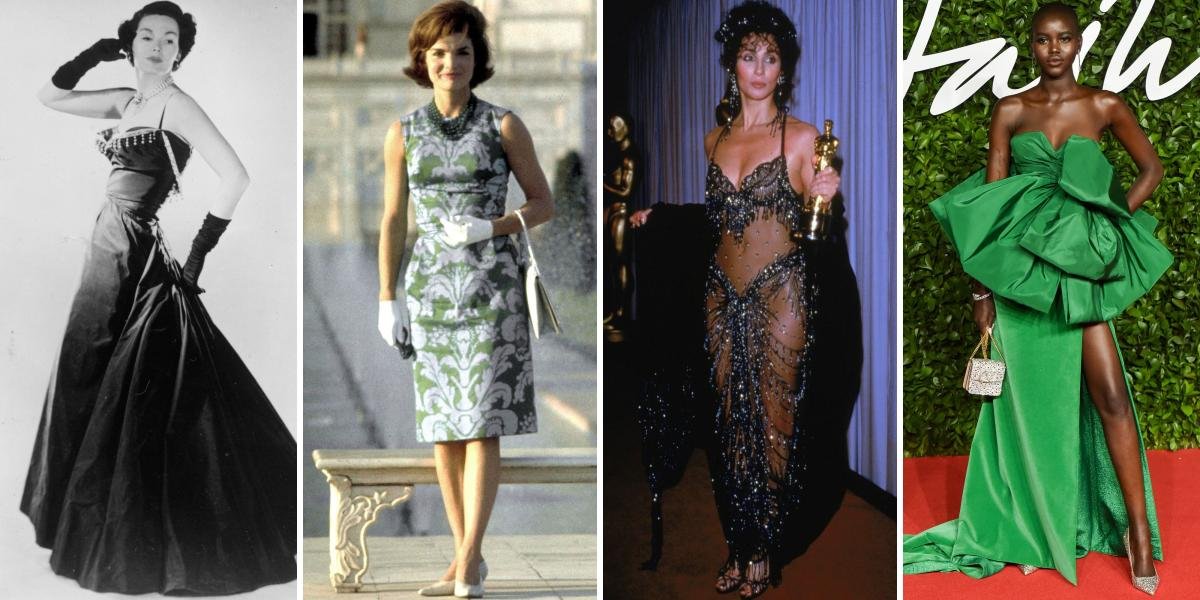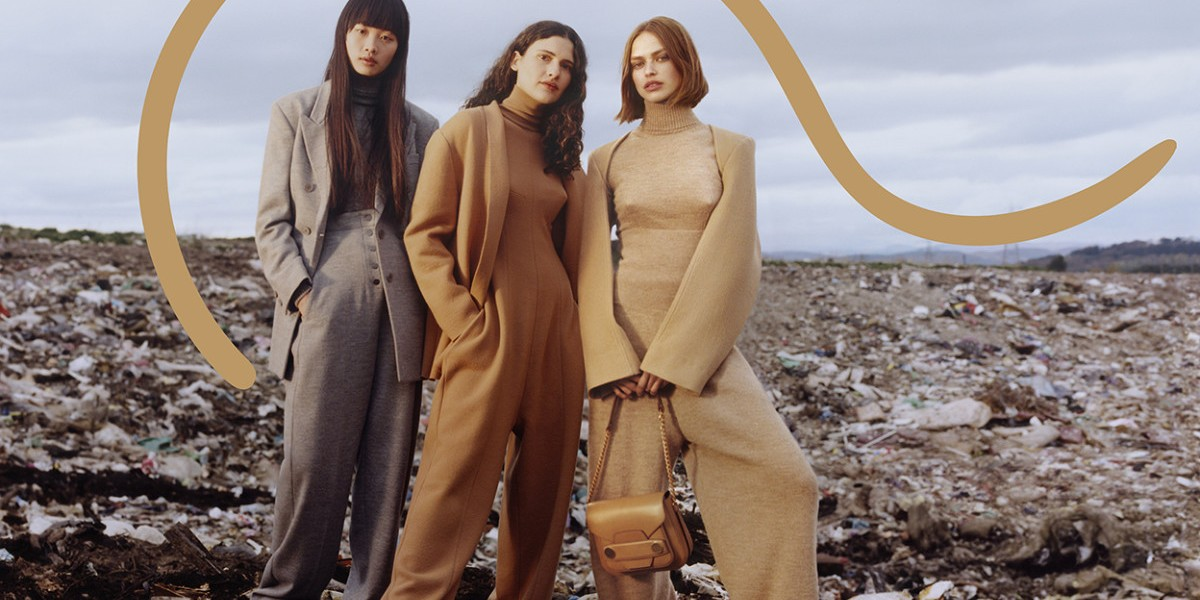
Fashion industry has witnessed a transformation in recent years, marked by the emergence of gender-neutral and unisex fashion. This paradigm shift calls into question the ingrained beliefs about gender-specific apparel design and wear. As society is moving towards a more diverse and inclusive future, the fashion industry is emerging as a potent force for change that both reflects and shapes changing perceptions of gender identity.
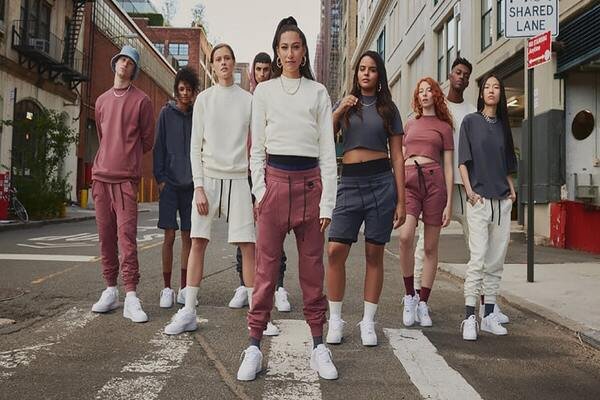
Let’s examine the reasons that causes the rise of gender-neutral fashion, its effects on the market, and several trailblazing companies that are setting the standard in this blog article.
Key Features of Gender-Neutral Fashion:
- Inclusive Sizing: Availability of inclusive sizing is the key aspect of gender-neutral fashion. Manufacturers who produce gender-neutral designs prioritise a size range that accommodates a diverse range of body shapes and sizes, and make sure that everyone can find clothing that fits comfortably.
- Dismantling Gendered Stereotypes: Gender-neutral fashion actively works to dismantle gendered stereotypes embedded in clothing. This entails dispelling the myth that particular hues, materials, or fashion trends are fundamentally associated with a particular gender, encouraging a more welcoming and understanding attitude towards individual expression.
- Fluidity in Style: Gender-neutral clothing promotes flexibility in style by eschewing the strict standards of what it means to be a man or a woman.This may involve blending elements traditionally associated with different genders, such as incorporating traditionally “masculine” cuts with “feminine” colors, or vice versa.
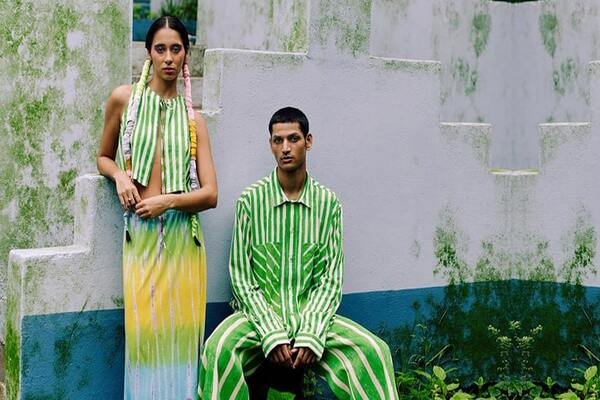
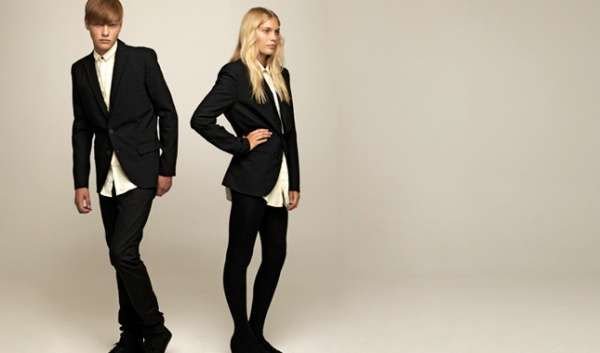
- Versatility in Design: Gender-neutral clothing frequently has adaptive and versatile designs that people of all genders can wear. This includes classic silhouettes, neutral color palettes, and timeless styles that transcend fleeting trends, allowing for longevity and sustainability in wardrobe choices.
- Neutral Color Palettes: Colors like white, black, gray, white, and earth tones are frequently embraced in gender-neutral design. The adoption of a minimalist approach facilitates more styling flexibility and empowers people to express themselves freely, unencumbered by cultural norms surrounding particular colour schemes.
Breaking the Binary:
In the industry, the conventional division between men’s and women’s fashion has long been accepted. However, as society becomes more attuned to the nuances of gender identity, the binary concept is being dismantled. Beyond the confines of this binary, gender-neutral fashion offers apparel that is unrestricted by conventional norms. This trend emphasizes inclusivity, celebrating the diversity of individual expression and dismantling the notion that certain styles or colors are exclusive to one gender.
Impact on the Industry:
The emergence of gender-neutral clothing is changing the fashion scene in a number of ways. One of the key impacts is the dissolution of gender-specific sections in stores. Shops are becoming more inclusive by designing areas that aren’t reserved for one gender over the other. This shift promotes a more seamless and enjoyable shopping experience, allowing individuals to explore and express their personal style without feeling confined by traditional norms.
Moreover, the fashion industry’s emphasis on sustainability is aligning with the gender-neutral trend. A more sustainable and environmentally responsible approach is aided by the growing desire for gender-neutral clothing as brands concentrate on producing timeless, adaptable pieces. By designing clothing that transcends seasonal trends and gender-specific expectations, brands can reduce waste and foster a more responsible consumption culture.
Pioneering Brands:
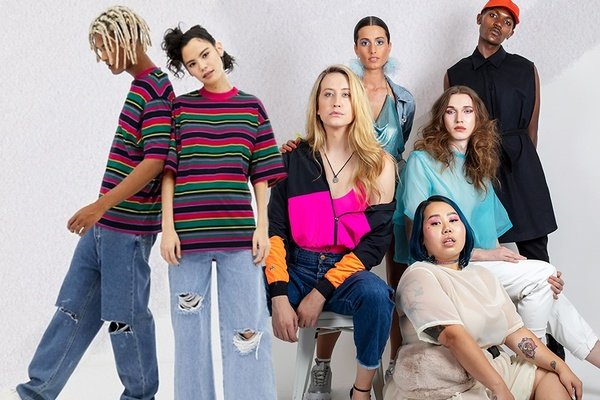
Gender-neutral apparel is being embraced and promoted by a number of progressive firms. Notable among them is Phluid Project, a brand founded on the principles of fluidity and inclusivity. The Phluid Project provides a vast assortment of apparel that defies conventional standards, enabling people to express themselves true to themselves without having to live up to social norms.
Another trailblazer in the gender-neutral fashion space is Telfar Clemens, the designer behind the Telfar brand. Telfar has gained widespread acclaim for its iconic “Shopping Bag,” a unisex accessory that has become a symbol of the brand’s commitment to inclusivity. Telfar’s designs encourage an approachable look by erasing distinctions between traditional men’s and women’s clothing.
Conclusion:
The emergence of gender-neutral fashion is a noteworthy turning point in the continued development of the fashion industry. By challenging traditional norms and embracing inclusivity, brands are not only catering to a diverse and dynamic consumer base but also contributing to a cultural shift towards acceptance and understanding. The fashion industry’s dedication to dispelling gender stereotypes will surely open the door to a more progressive and inclusive future as the industry’s landscape continues to change. The rise of gender-neutral fashion is not just a trend; it is a movement that empowers individuals to express their authentic selves without the constraints of societal expectations, making fashion a powerful force for positive change.