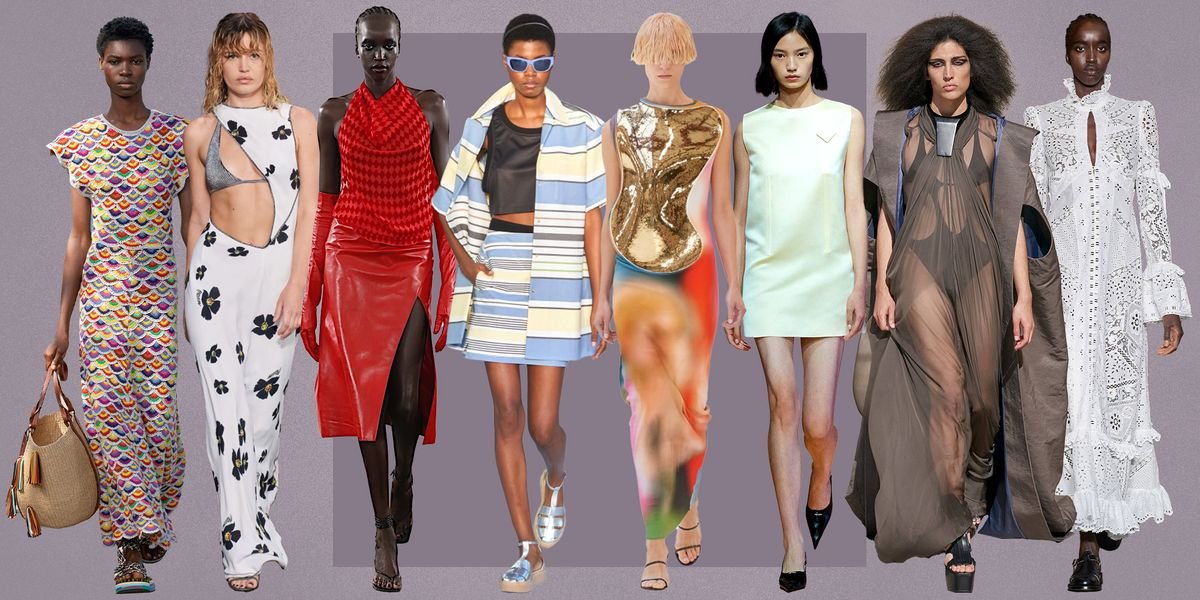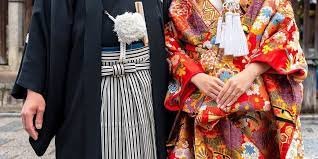
Fashion does not have geographical boundaries and is a dynamic and ever-evolving form of self-expression. One of the strongest and most fascinating aspects of the fashion industry is that it takes inspiration from different cultures around the world. This is very evident that different cultures have influence over fashion trends, from traditional attire to unique aesthetics.

Let’s dive deep into how various cultures have significantly influenced global fashion, with a focus on specific examples that have had a lasting impact on the sector.
Japanese Minimalism:
Japan has long been a source of fashion inspiration for the rest of the world, specifically when we talk about minimalism. Western fashion has absorbed the simple shapes, muted hues, and practical focus of traditional Japanese design. As a result of the efforts of popular designers like Yohji Yamamoto and Rei Kuwakubo, Japanese minimalism has made a lasting impression globally.

Indian Elegance:
The rich cultural tapestry of India has given birth to some of the most vibrant and complex fashion trends. With various draping styles and embellishments, the traditional saree has come to represent timeless elegance. Popular designers like Sabyasachi Mukherjee and Manish Malhotra have gained global recognition and influence by skillfully merging traditional Indian craftsmanship with contemporary shapes.

African Prints and Textiles:
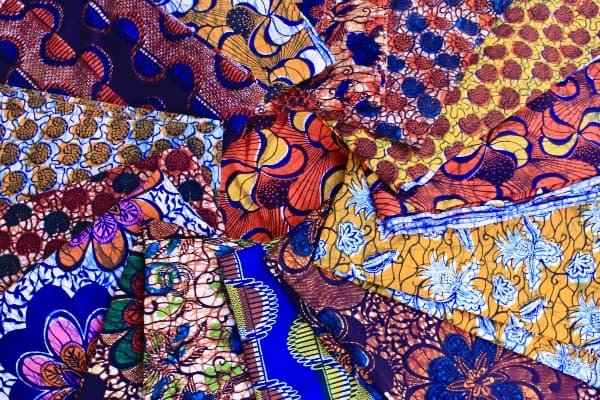
The different civilizations of Africa have made an important contribution to the fashion industry through textiles and vibrant prints. Ankara fabric has gained massive popularity all over the world with its colors and bold patterns, with designers incorporating it into their collections. African designers like Ozwald Boateng and Duro Olowu brought the continent’s unique aesthetic into consideration, challenging traditional norms and encouraging more inclusive representation in the fashion industry.
Scandinavian Simplicity:
With the functional and minimalist approach of The Scandinavian countries, they have left imprints on the world of fashion. Brands like COS and Acne Studios have become very popular for their simple yet sophisticated designs. The Nordic influence, characterized by clean lines, neutral tones, and a focus on sustainable fashion, has resonated globally, signaling a change in the fashion industry toward more conscientious and environmentally responsible decisions.

Latin American Flair:
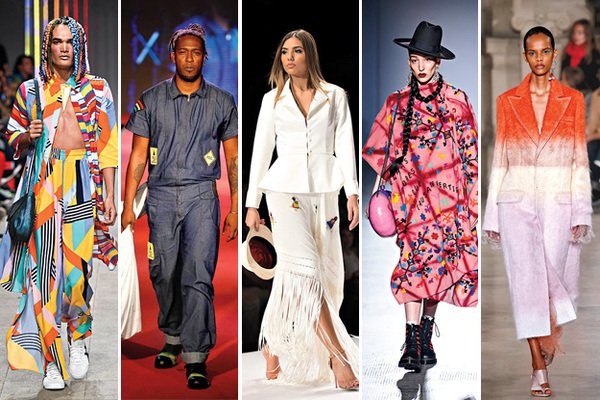
The fashion industry has been invigorated with vitality and excitement by the vivid and colorful cultures of Latin America. Traditional pieces like the poncho and vibrant embroidery have found their way into traditional runways. Popular designers like Oscar de la Renta and Carolina Herrera with Latin American heritage, have injected style and passion to the international fashion stage, setting trends with their opulent designs.
Middle Eastern Opulence:
The Middle East has long been popular for its delicate craftsmanship and exquisite fabrics. Modern designers like Elie Saab and Zuhair Murad have interpreted traditional clothes like the kaftan and abaya in new ways. In addition to inspiring haute couture, the lavishness and meticulousness of Middle Eastern fashion have also come to be associated with mainstream fashion trends.
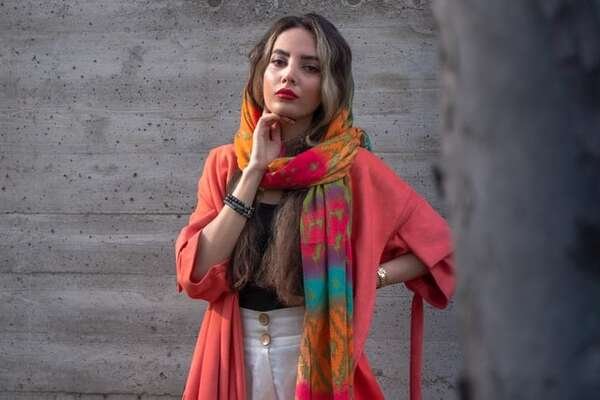
The interplay between fashion and culture is a fascinating journey that continues to evolve. The globalization of the fashion industry has allowed for a rich exchange of ideas, traditions, and aesthetics from around the world. The examples highlighted above are just a glimpse into the vast tapestry of cultural influences on fashion trends. As we continue to celebrate diversity and inclusivity in the fashion world, it is evident that the fusion of different cultural elements will remain a driving force in shaping the future of style. Embracing this diversity not only enriches the fashion landscape but also promotes a global dialogue that transcends borders and fosters creativity.