Fashion is a dynamic and ever-changing reflection of individual expression, cultural shifts, and societal values. Over the years, it has gone through fascinating evolutions, with each era leaving an indelible mark on the fashion industry. Fashion has not only reflected the spirit of the times from the Roaring Twenties to the present, but it has also greatly influenced them.
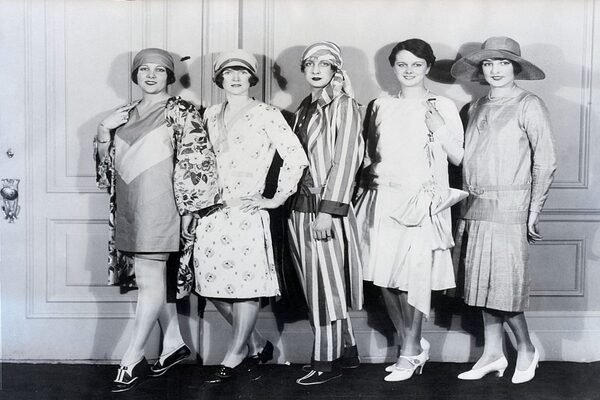
The Jazz Age and the Flapper Revolution – The 1920s:
In the 1920s, a seismic shift occurred in the fashion industry, women started accepting flapper style and got freedom from corsets. Women embraced loose silhouettes, dropped waistlines, and shorter hemlines during the rise of the Jazz Age. Coco Chanel, the era’s trailblazer introduced a little black dress, that came up as a timeless piece that will never go out of style.
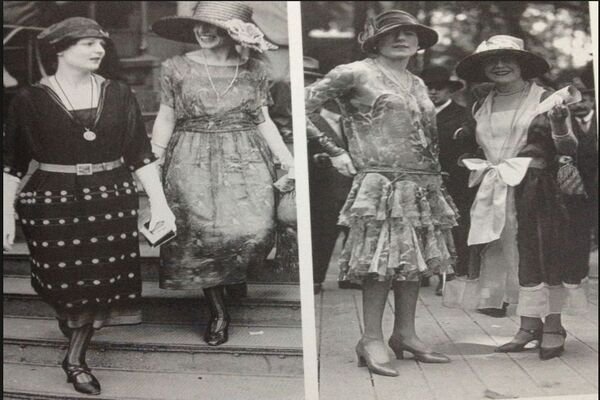
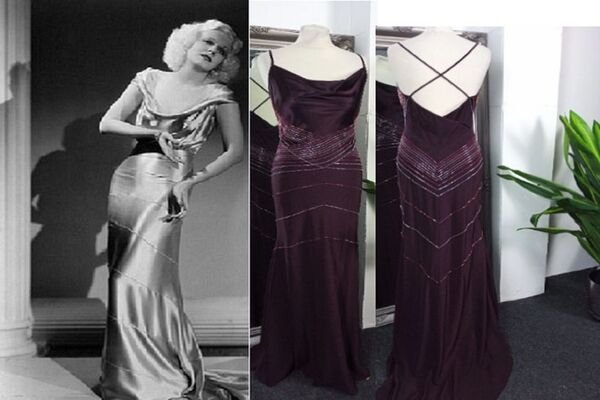
The Golden Age of Hollywood Glamour – The 1930s
The Great Depression hit the 1930s and had an impact on fashion, influencing fashion with an emphasis on practicality. Hollywood played a very crucial role in influencing fashion despite the downturn in the economy, as glamourous gowns and tailored suits became the epitome of elegance. Popular designers like Madeleine Vionnet and Elsa Schiaparelli left and lasting impression with their innovative designs and luxurious fabrics.
Utility and War-time Fashion – The 1940s:
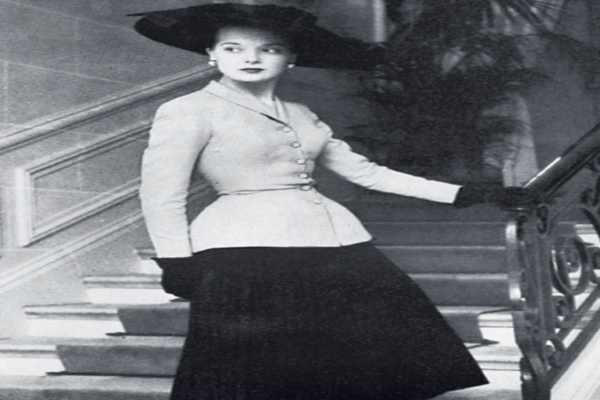
The Second World War had a profound impact on fashion, resulting in fabric restrictions and an emphasis on practicality. Women embraced androgynous-inspired, practical apparel that reflected their expanded roles in the workforce. In 1947, Christian Dior introduced its new look, that marketed a return to opulence with nipped waist and full skirts, signaling a return to grandeur and a break from the austerity of wartime fashion.
The Rise of Rock ‘n’ Roll and Youth Culture – The 1950s:
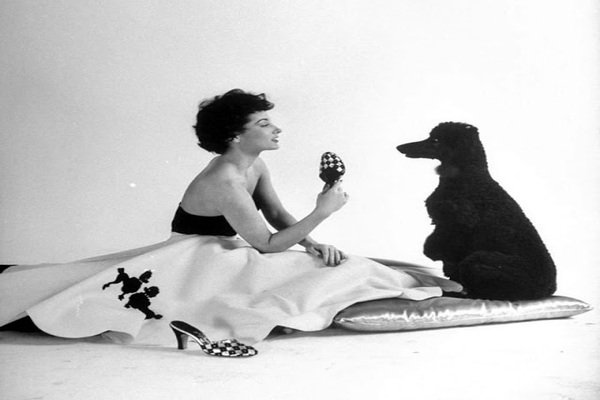
With the rise of rock ‘n’ roll and the emergence of youthful rebellion, the 1950s witnessed a cultural shift. In response, fashion offered rebellious looks like leather jackets, poodle skirts, and bobby socks. Dior’s impact on the hourglass figure endured while designers like Balenciaga and Givenchy pushed the limits of haute couture.
Swinging Sixties and the Youthquake – The 1960s:
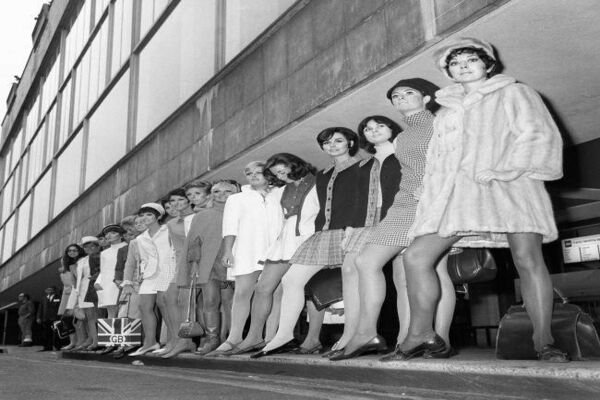
A revolutionary age of youth culture and social transformation began in the 1960s. Icons like Beatles and Twiggy influenced a shift towards bold, experimental fashion. The psychedelic prints, mod styles, and mini-skirts came to define the time. Designers like Mary Quant and Yves Saint Laurent embraced the youthquake spirit, challenging traditional norms and opening the door for a more free-spirited approach to fashion.
Bohemian Chic and Disco Fever – The 1970s:
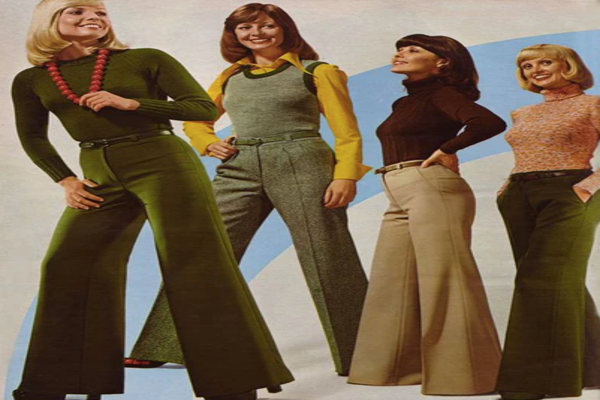
A diverse range of fashions were popular throughout the 1970s, from the laid-back bohemian chic to the glitzy disco fever. Platform shoes, vibrant pants, and bell bottoms ruled the fashion scene. Designers like Diane von and Halston embodied the eclectic spirit of the era. Along with its emergence as a rebellious subculture, punk fashion was spearheaded by Vivienne Westwood and Malcolm McLaren.
Excess and Power Dressing – The 1980s:
Power dressing, bold statements, and excess defined the 1980s. The era was characterized by vivid colors, large shapes, and shoulder pads. Popular designers like Gianni Versace and Karl Lagerfeld championed opulence, while power suits became a symbol of female empowerment. The fashion industry also witnessed the rise of supermodels like Naomi Campbell and Cindy Crawford, who became iconic figures of the decade.
Minimalism and Grunge – The 1990s:
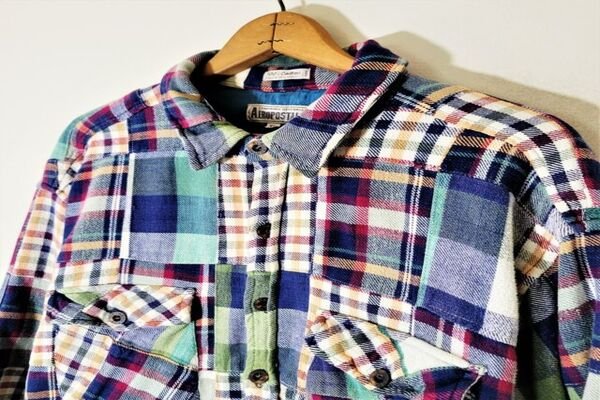
The minimalism and grunge aesthetics of the 1990s stood in stark contrast to the flamboyance of the 1980s. The rise of streetwear, casual dressing, and anti-fashion sentiments defined the era. Designers such as Helmut Lang and Calvin Klein promoted minimalism, while the grunge trend brought ripped jeans, flannel shirts, and Doc Martens to the fashion scene.
Technological Advances and Globalisation – The 2000s:
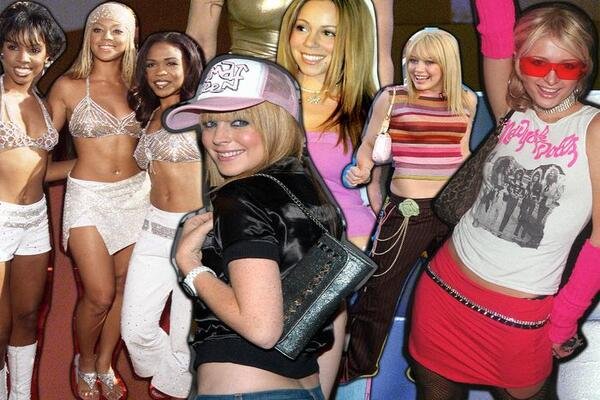
The dawn of the new millennium saw fashion embracing technological advancements and a more globalized approach. Fast fashion companies like Zara and H&M have grown in popularity, democratizing style while designers like Alexander McQueen and John Galliano have pushed the bounds of inventiveness. Influencers and celebrities also began to play a significant role in shaping fashion trends, with social media platforms becoming key influencers.
Sustainability and Diversity – The 2010s to Present:
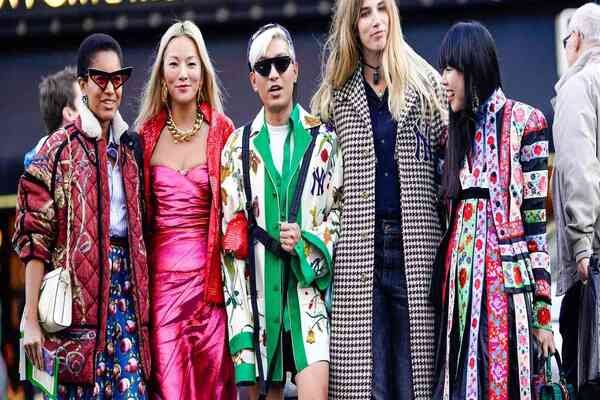
In the last ten years, the fashion industry has placed an increasing focus on sustainability and diversity. Designers and brands began prioritizing eco-friendly practices, and there was a notable push for diversity in terms of body positivity and cultural representation. Both premium and high-street firms adopted similar principles, indicating a change towards a more inclusive and conscientious fashion scene.
Conclusion:
The way that fashion has changed over the years is evidence of how culture, society, and personal expression are ever-evolving. From the flapper dresses of the 1920s to the sustainability movement of the present day, each era has left an indelible mark on the world of style. Fashion is still a vibrant and potent medium for expressing oneself; it captures the essence of the moment and shapes the cultural terrain for future generations.